

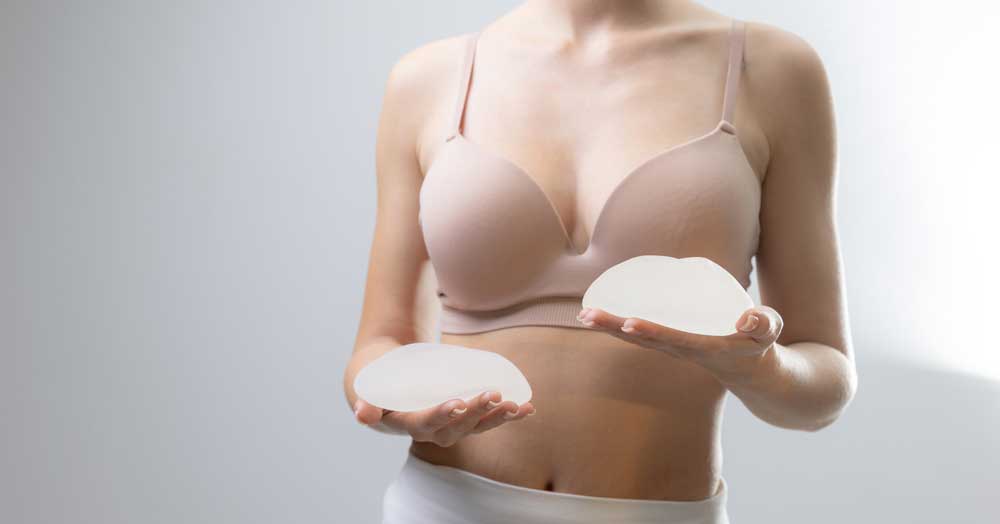
Productively adding to (or taking away from) the hotly debated topic that is breast implant illness (BII) requires starting with this crucial point: nobody is doubting the lived experience of breast implant patients who develop these symptoms. The real difficulty, from a clinical perspective, centers on differentiating breast implant illness from other conditions and anchoring it to reliable predictors.
As a breast implant patient, you deserve clear, actionable answers to your questions, including questions about whether saline implants can increase your risk of developing breast implant illness. Our team at Summit Plastic Surgery is as passionate about educating our patients as we are about advocating for their safety and agency throughout every procedure. Dr. Samuel Corey, our board-certified plastic surgeon, has spent his career studying the science behind breast implants, including how they’re regulated, tested and continually improved.
Following is a clear breakdown of how breast implant illness is defined, why it’s difficult to diagnose, how saline and silicone implants actually compare and what role implant texture plays in the conversation.
What Exactly Is Breast Implant Illness?
Breast implant illness describes a cluster of systemic symptoms that some patients report after receiving breast implants. As of this writing, it is not an official medical diagnosis, but the FDA has tracked and reported thousands of these cases and takes the pattern seriously.
Reported symptoms are wide-ranging and can include the following:
- Fatigue
- Joint and muscle pain
- Brain fog
- Hair loss
- Anxiety
- Depression
Prevalence per Studies and FDA Reporting
According to FDA data reviewed through mid-2024, fatigue and joint pain are the most commonly reported symptoms, followed by anxiety, autoimmune-type complaints and cognitive symptoms like brain fog. A 2025 systematic review published in Plastic and Reconstructive Surgery Global Open found that fatigue, muscle weakness and cognitive dysfunction were the symptoms most strongly associated with the presence of breast implants across the available research.
One key nuance that we will discuss in more detail below: These symptoms have been reported by patients with saline implants and silicone implants alike, and there is currently no single lab test, imaging study or biomarker that can confirm or rule out breast implant illness.
It’s also worth keeping this in perspective if you’re considering breast augmentation: even with thousands of cases logged by the FDA, breast implant illness is reported by only a small fraction of the millions of women who have breast implants. The large majority of patients never experience these symptoms and are happy with their results, and having questions about BII shouldn’t stand in the way of exploring augmentation with a trusted, board-certified surgeon.
The Search for Risk Factors
Researchers have looked at a long list of potential risk factors in hopes of more clearly outlining preventive practices and treatment protocols. These risk factors have included implant material, implant surface texture, implant age and heavy metal exposure. So far, none of these has shown a strong, reproducible link to breast implant illness.
The factor most consistently associated with reported symptoms is a preexisting history of anxiety, depression or other psychosomatic-type conditions. This is not to say that we should “dismiss” the issue entirely or stop exploring potential links to breast implant procedures; it means the relationship between the mind and body is complex. In some patients, treating underlying anxiety or depression has been associated with improvement in physical symptoms as well.
Why Is Diagnosing Breast Implant Illness Difficult?
The honest answer is that breast implant illness behaves less like a disease with physically measurable pathology behind it and more like a syndrome, which is a collection of symptoms without one identifiable cause. Conditions like a ruptured implant, an infection or an autoimmune disorder can all be diagnosed with imaging, bloodwork or a physical exam. Breast implant illness symptoms, by contrast, often overlap heavily with common, unrelated conditions and with the kind of symptoms doctors typically associate with stress or psychosomatic origin.
Breast implant illness is real to the patients experiencing it, even though medicine doesn’t yet have a definitive test to prove or disprove it. A thorough workup is especially needed given our current understanding of the issue. Ruling out thyroid disorders, autoimmune disease, infection and other diagnosable conditions is a critical first step before attributing symptoms to the implants themselves.
If you’re experiencing symptoms you believe may be related to your implants, the right first step is to avoid online hearsay and to consult a specialist who is trained and educated in this very field. Have a conversation with a board-certified plastic surgeon who can evaluate you individually, rule out other causes and walk you through your options.
Is It True That Saline Implants Prevent Breast Implant Illness?
This is one of the most common misconceptions patients bring into a consultation, and the short answer is no, not in any way the research has been able to demonstrate. At least 95% of implants placed today are silicone-filled, but both saline and silicone implants share the same outer shell material. The difference is only in what fills that shell: saline (sterile salt water) versus a cohesive silicone gel.
Because the shell material is identical, there isn’t a scientifically robust difference in breast illness rates between saline and silicone implants. In fact, FDA data show that reported systemic symptoms have occurred in patients with both implant types.
What history does show is that silicone implants had real, documented problems decades ago, tied largely to earlier manufacturing processes. Saline implants, meanwhile, carry their own consideration: because they’re filled through a valve after placement, there’s a small window during the filling process where contamination or infection risk is introduced, something silicone implants (which arrive pre-filled and sealed) don’t share.
The larger point Dr. Corey wants patients to understand is this: today’s implants, saline and silicone alike, are held to a far higher level of manufacturing and regulatory scrutiny than when older complications made headlines. Modern sterile processing, post-approval studies and FDA oversight have addressed many of the issues that fueled early distrust in implants generally.
What Role Does Implant Texture Play in Breast Implant Illness Reporting?
There is no established link between textured implants (those manufactured with a slightly rough, grippy outer surface) and the incidence of breast implant illness. The confusion centers on the fact that textured implants have been concretely linked to a different complication: breast implant-associated anaplastic large cell lymphoma, or BIA-ALCL.
BIA-ALCL is a rare cancer of the immune system. In 2019, the FDA requested a global recall of Allergan’s BIOCELL textured implants and tissue expanders after data showed the risk of BIA-ALCL was roughly six times higher with that specific product line than with other textured implants on the market. That recall and the research that prompted it reshaped how the entire industry approaches implant surface texture, screening and long-term monitoring. Surgeons today who use any textured device are trained to recognize BIA-ALCL’s warning signs and to follow strict protocols for evaluation.
Per Dr. Corey, “We’ve made bad decisions in the past, and we’ve learned from them. You need somebody trained in implant care to manage these issues.”
For some added context on BIA-ALCL’s (low) prevalence, FDA safety data reviewed through mid-2024 documented 1,380 cases and 64 deaths tracked since 2011, out of the many millions of implants placed worldwide over that period. The FDA does not recommend removing textured implants in patients without symptoms, precisely because the risk is so low.
Delayed Seromas: What They Are and Why They Matter
A delayed seroma is a fluid collection that develops around a breast implant more than a year after surgery, as opposed to the fluid swelling that’s expected in the days and weeks right after surgery. Delayed seromas matter clinically because they’re also the most common presenting sign of BIA-ALCL: research suggests roughly 60% to 70% of BIA-ALCL cases show up first as a delayed seroma, though the large majority of delayed seromas themselves turn out to be benign rather than malignant.
That’s exactly why any delayed seroma deserves a prompt, thorough workup rather than a wait-and-see approach. Dr. Corey’s process reflects the standard of care for this exact scenario: imaging to characterize the fluid, followed by fluid aspiration and lab testing (including a specific marker called CD30) to rule out BIA-ALCL before considering more conservative causes. Only once malignancy has been excluded does treatment move toward the more common, benign explanations, whether that’s simple aspiration, antibiotics or, in some cases, capsule removal.
The Bigger Picture: Patient Safety and Autonomy Win
A few things are worth carrying with you after all of this:
Breast implant safety has never been more closely monitored.
Between mandatory post-approval studies, FDA safety communications, published research and ongoing manufacturer surveillance, today’s implants exist inside a system built specifically to catch problems early and correct course, something that simply didn’t exist a generation ago.
You don’t need a diagnosis to make a decision about your body.
If you want your implants removed, revised or replaced, whether you’re managing symptoms, changing your goals or simply changing your mind, that decision belongs to you. Dr. Corey’s approach is rooted in patient autonomy: your comfort and your goals guide the plan.
Choosing the right surgeon is crucial for breast implant patients.
Dr. Corey is a Fort Wayne native, double board-certified and fellowship-trained in plastic and reconstructive surgery, with specialized experience in breast surgery, revision surgery and reconstruction. He stays well engaged in the industry’s latest developments by participating in advanced technique training across the country and lobbying for breast cancer patients.
On the progress the industry has made in breast implant regulation, Dr. Corey said, “We have really cleaned up the industry. The regulations on breast implants are so much higher than those on other kinds of medical implants. Manufacturers are really trying hard to get this right.”
Ready to Talk Through Your Options?
Whether you’re considering breast augmentation for the first time, exploring breast reconstruction, or you have questions about implants you already have, we’re here to build the experience and the results you’re looking for.
Call us at (260) 490-7111 or contact us online to schedule a consultation with Dr. Corey, and let’s talk through what’s right for you.
Frequently Asked Questions
Is breast implant illness a recognized medical diagnosis?
No. Breast implant illness is a patient-reported term for a group of systemic symptoms, not an officially recognized medical diagnosis. The FDA acknowledges the reported symptoms and continues to monitor and study them.
Can silicone implants cause breast implant illness more than saline implants?
There’s no robust scientific evidence showing a meaningful difference in BII risk between saline and silicone implants. Both implant types use the same outer silicone shell, and reported symptoms have occurred with both.
Are textured breast implants still available?
Some textured implants remain on the market, though Allergan’s BIOCELL textured implants were recalled in 2019 due to their association with BIA-ALCL. Smooth-surface implants, which carry a much lower BIA-ALCL risk, are widely used today.
What should I do if I notice new swelling in a breast implant years after surgery?
Any new, delayed swelling around a breast implant should be evaluated promptly by a board-certified plastic surgeon. While most delayed seromas turn out to be benign, a portion are linked to BIA-ALCL, so prompt imaging and, if needed, fluid testing is the safest first step.
Do I need symptoms of breast implant illness to have my implants removed?
No. Implant removal or revision is a personal decision, and you don’t need to prove a diagnosis or a specific complication to choose it. A qualified surgeon can walk you through the safest way to proceed based on your goals.
Recent Comments